Champagne is a sparkling wine originated and produced in the Champagne wine region of France under the rules of the appellation, that demand specific vineyard practices, sourcing of grapes exclusively from designated places within it, specific grape-pressing methods and secondary fermentation of the wine in the bottle to cause carbonation. Pinot noir and Chardonnay are used to produce almost all Champagne.
Champagne became associated with royalty in the 17th, 18th, and 19th centuries. The leading manufacturers made efforts to associate their Champagnes with nobility and royalty through advertising and packaging, which led to its popularity among the emerging middle class.
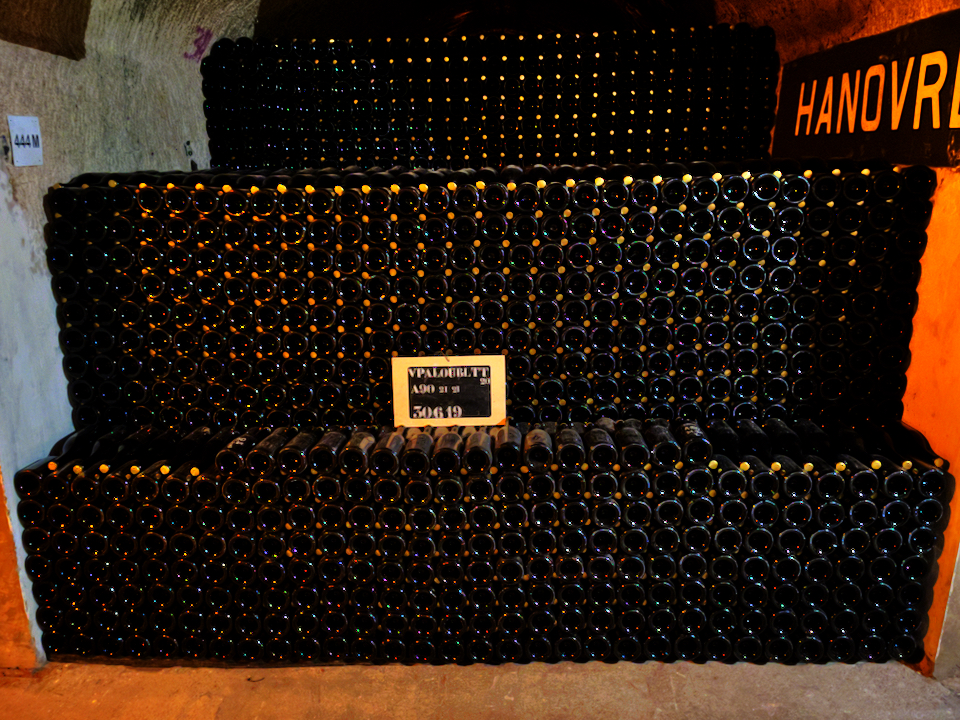
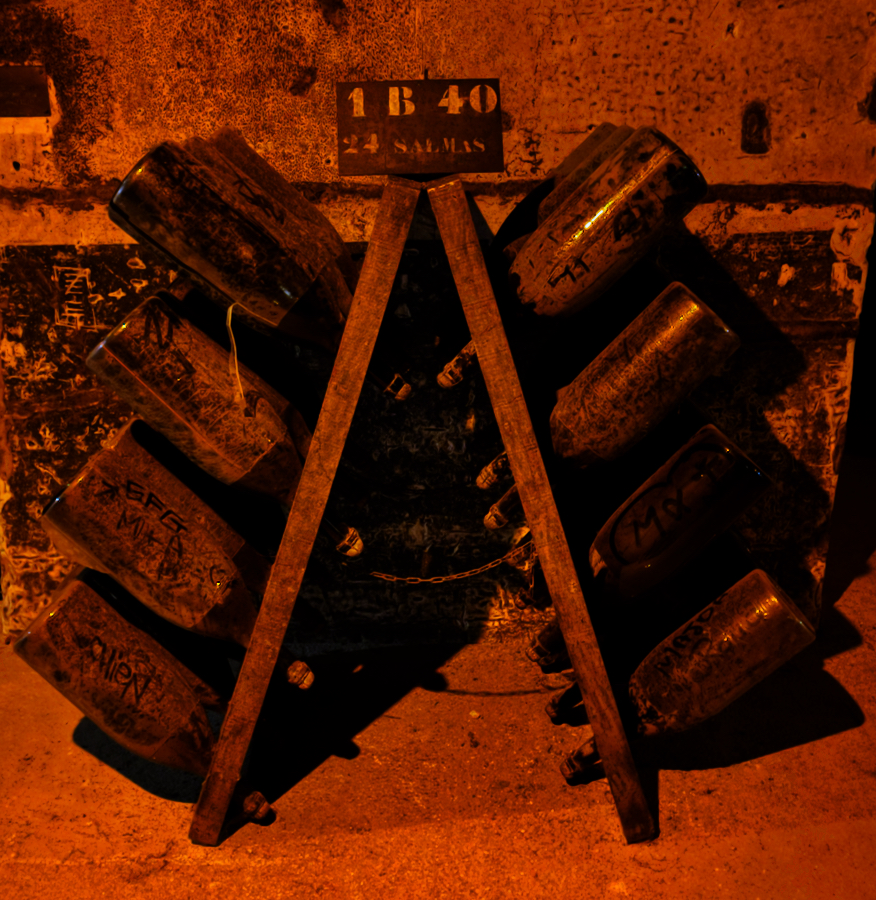
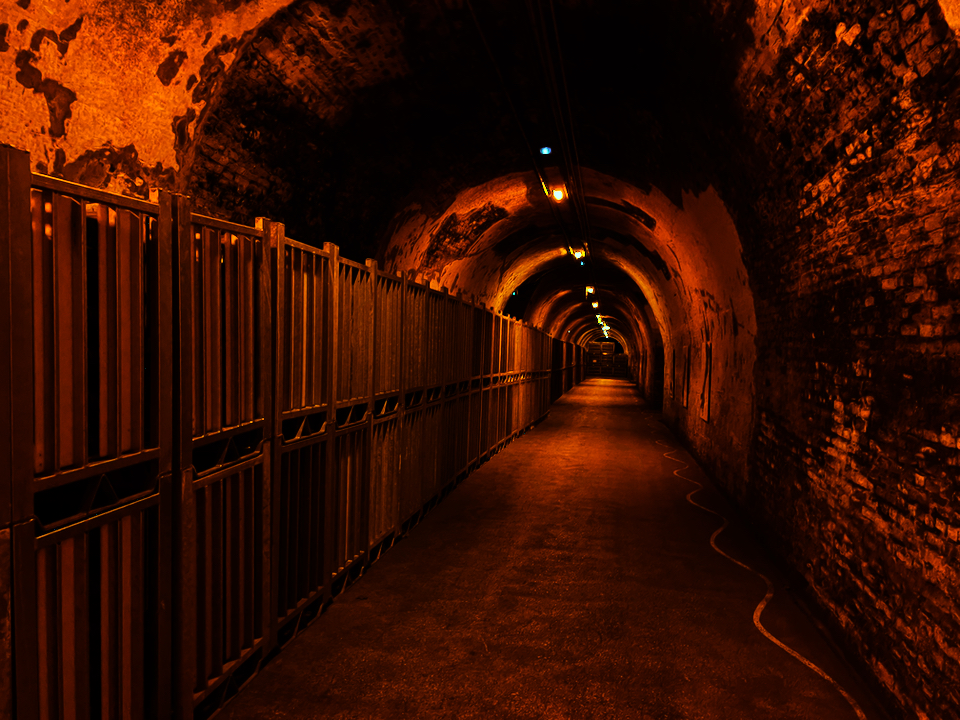
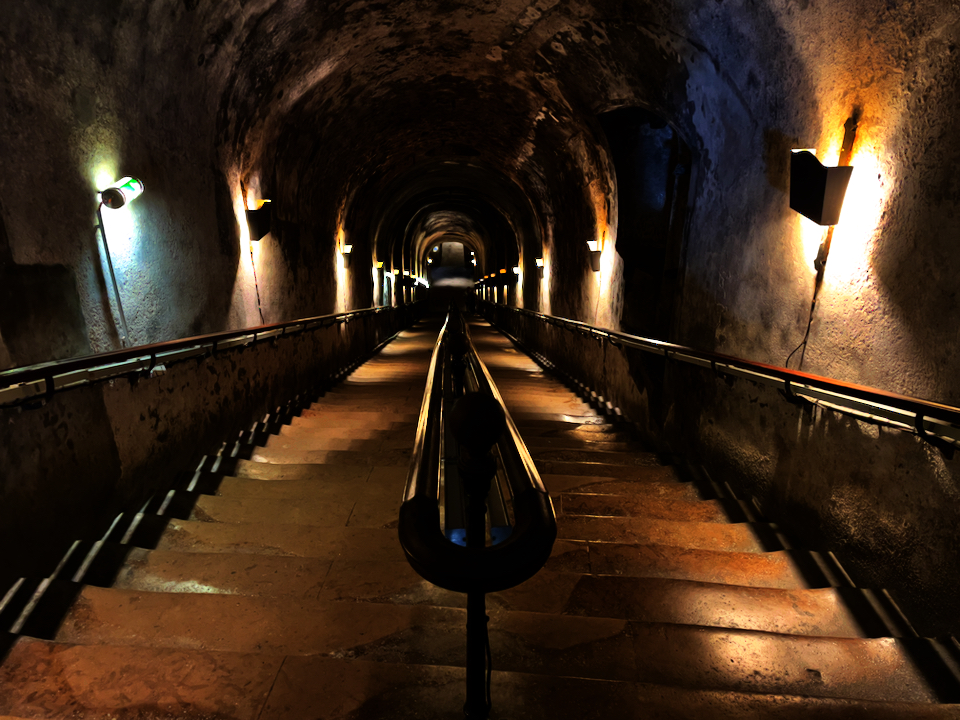
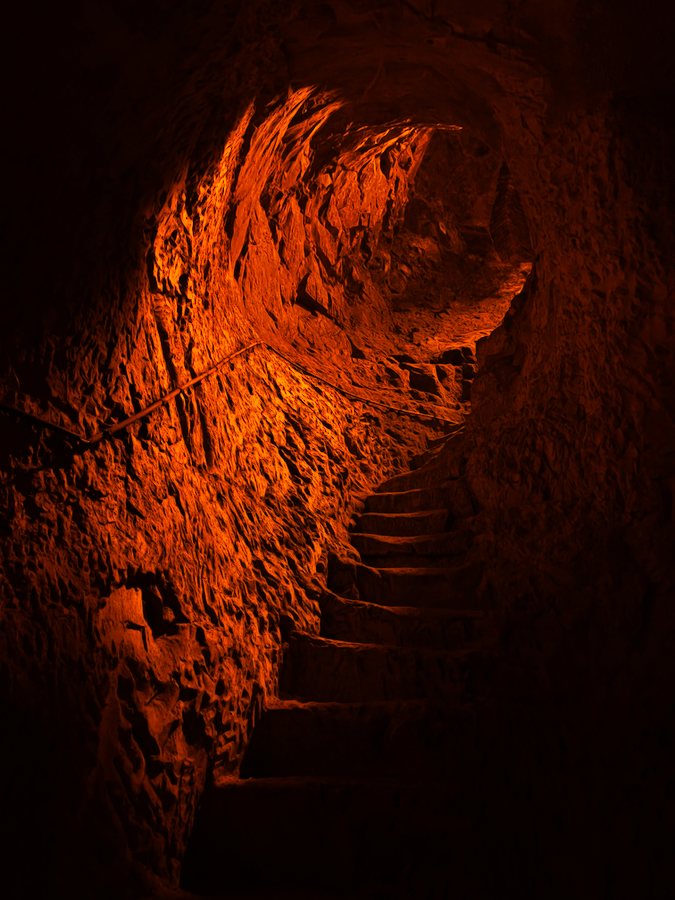
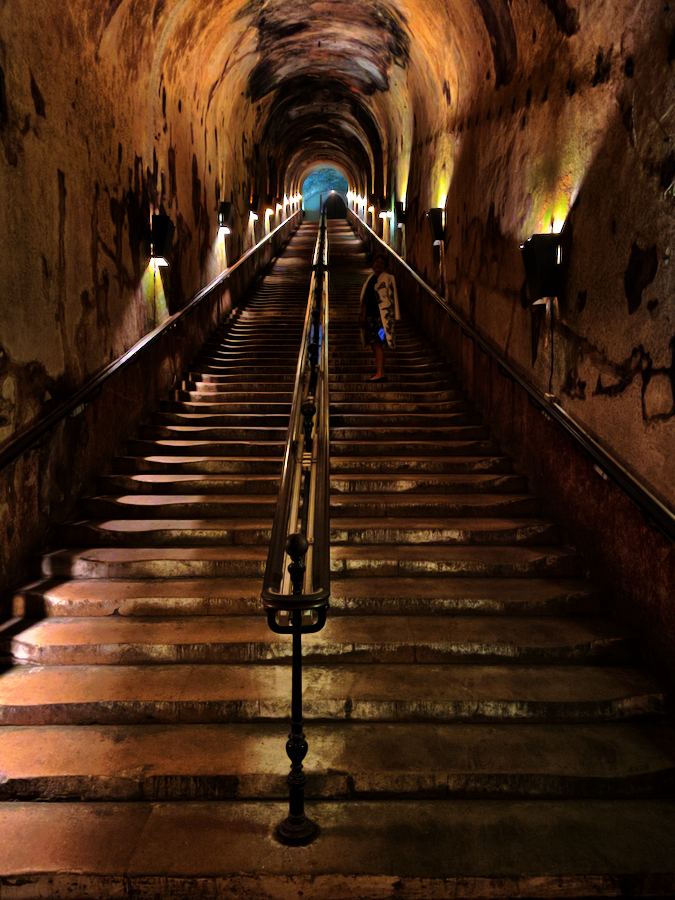
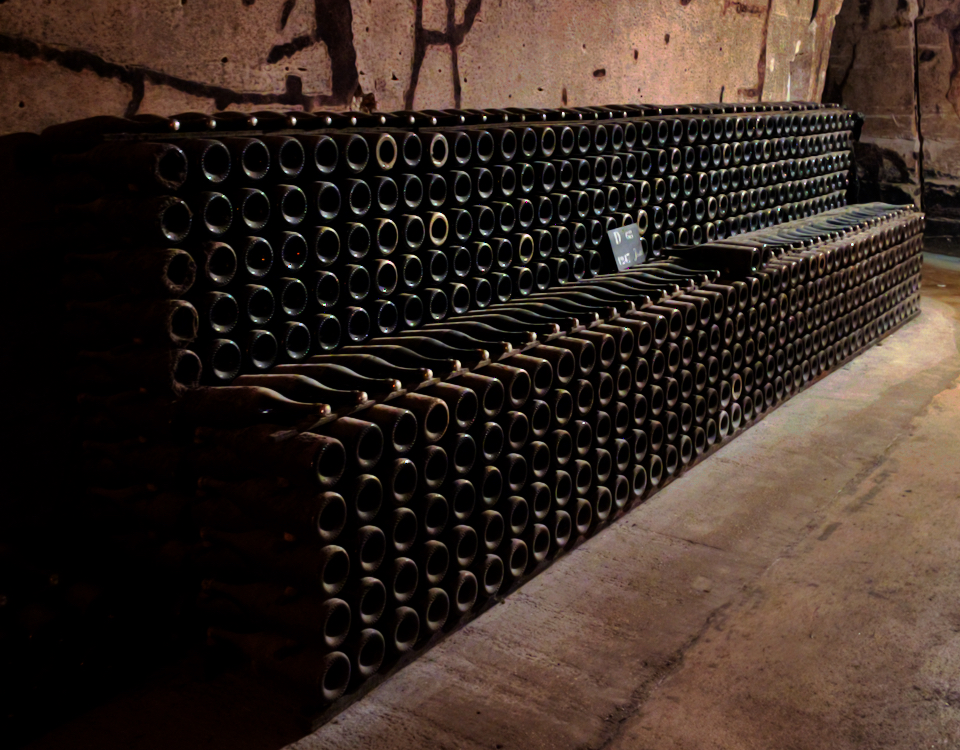
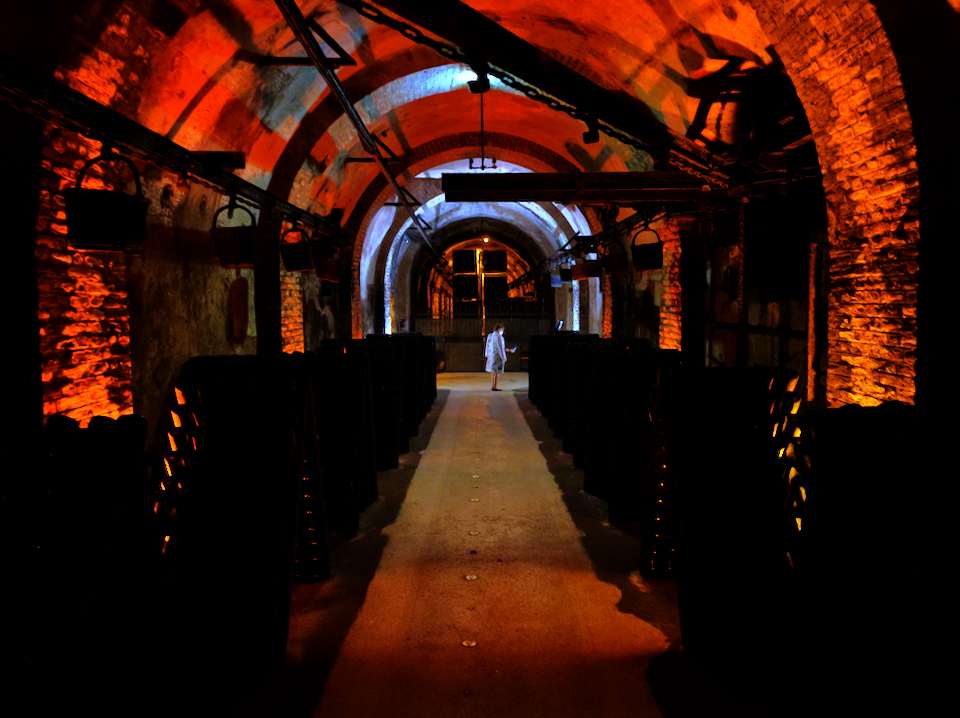
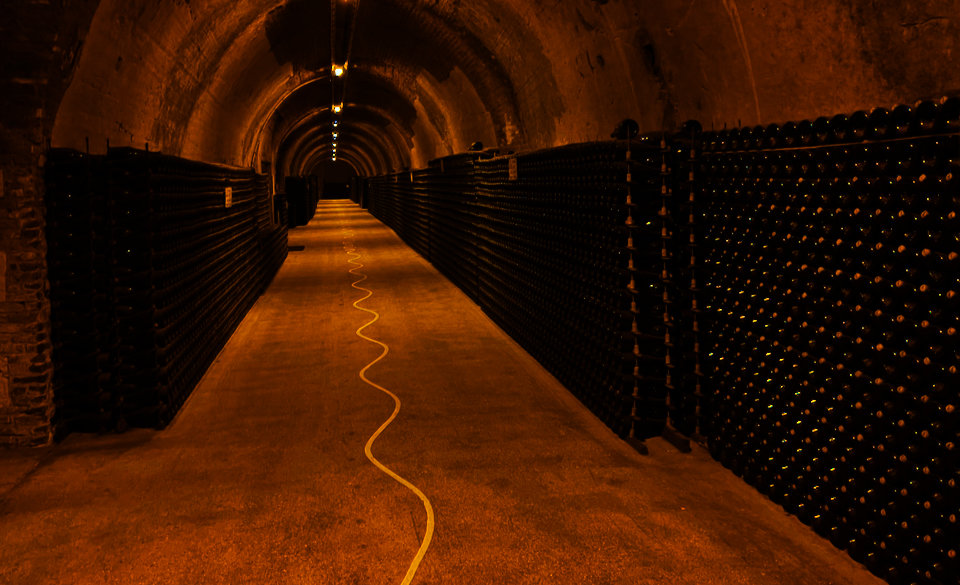
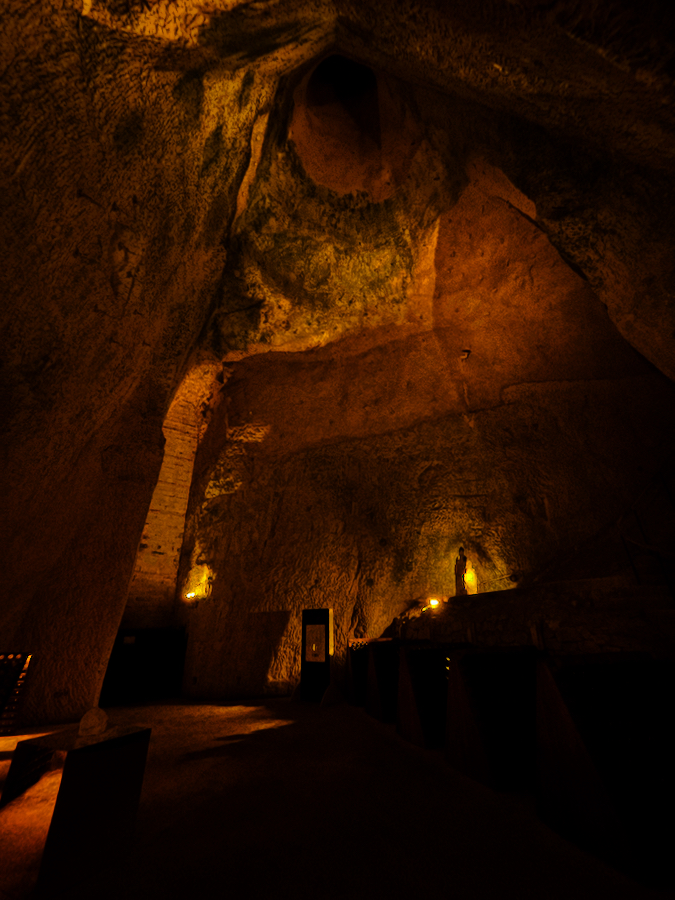
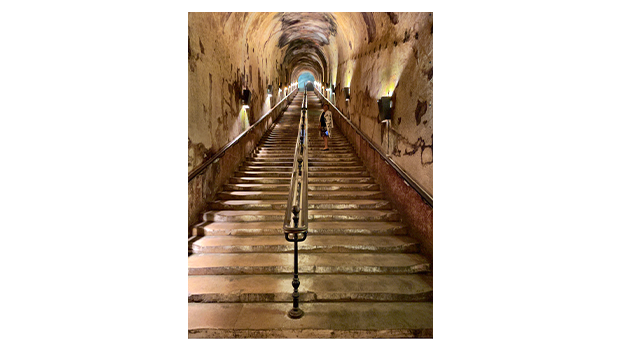
This area of France become known for these particular grapes because of the chalky soil. But these chalky soils also made for constant temperature tunnels under the city for long-term storage. There are over 400 miles of tunnels under and around Reims storing more than 10 million bottles of the bubbly nectar.
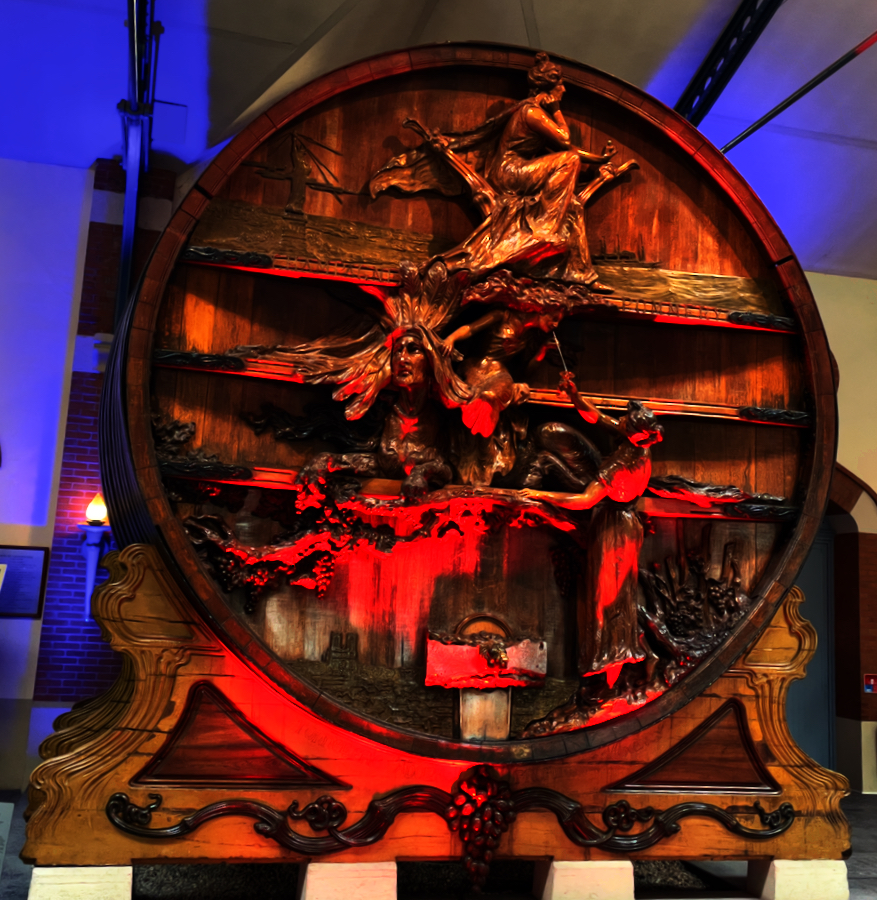
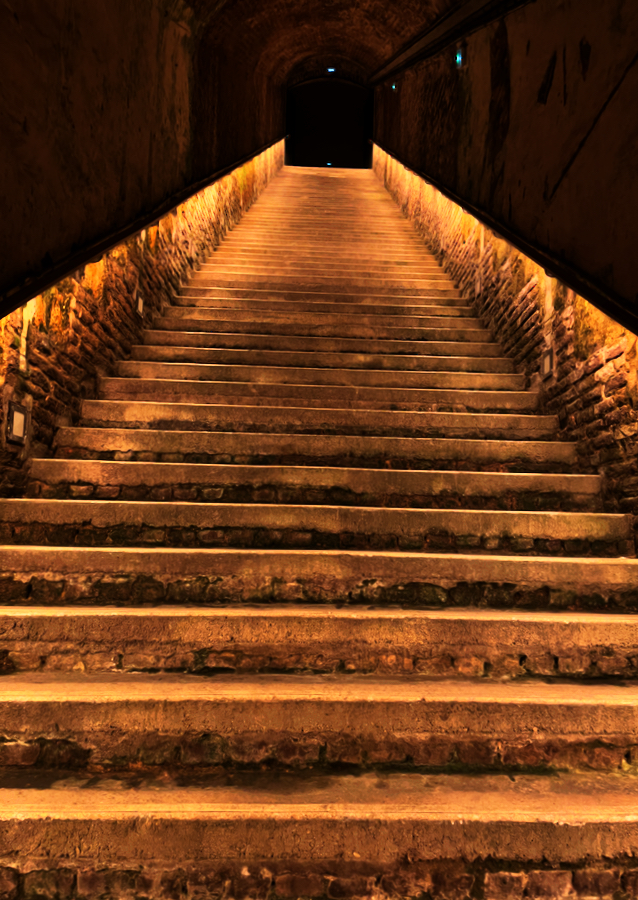
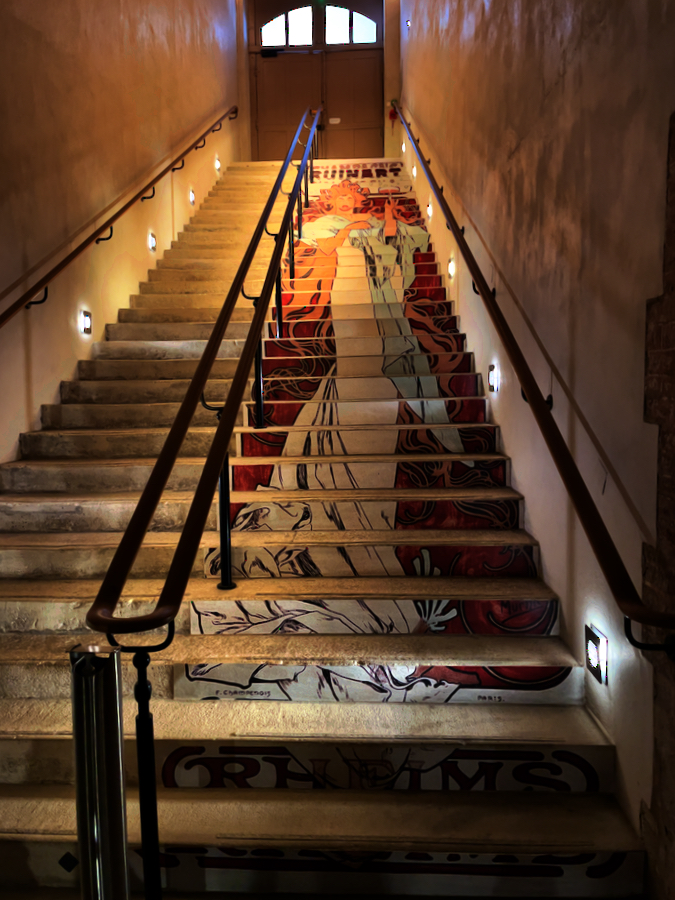
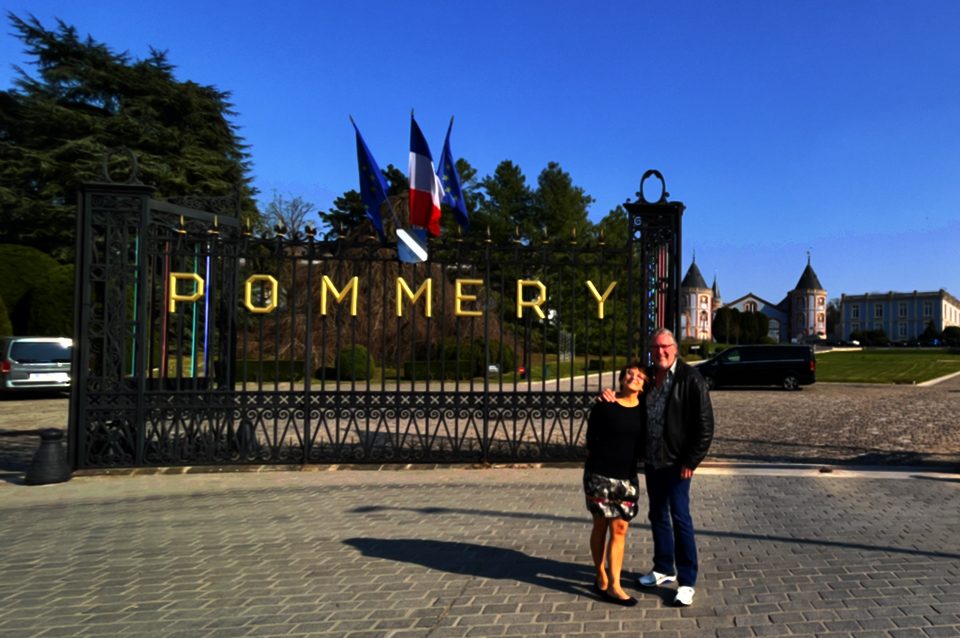
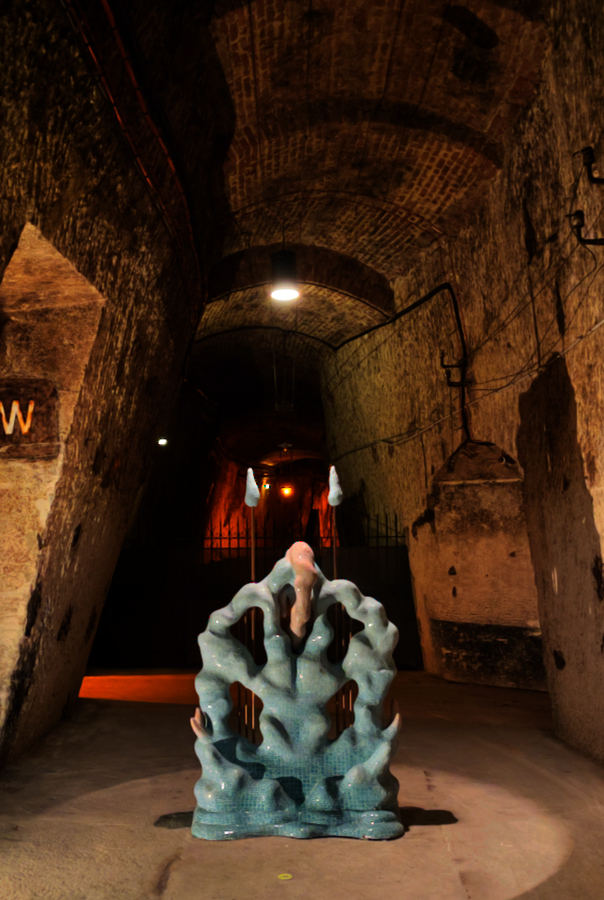
We visited three of these “champagne houses” and went deep underground to see how champagne is processed and stored. Oh, of course we had tastings.
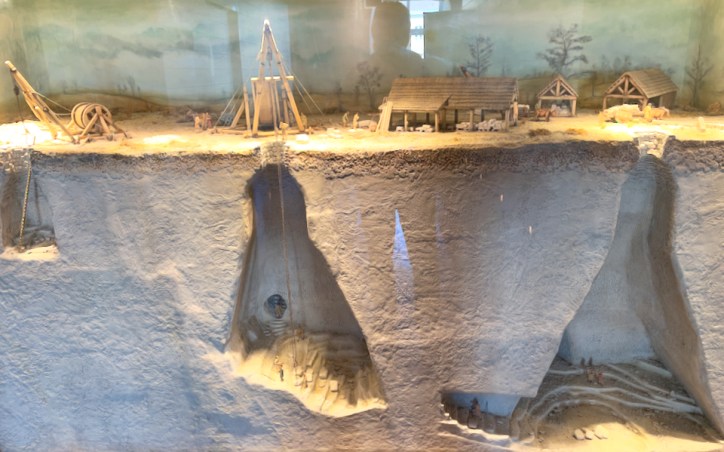
France was covered by an ocean millions of years ago and thus much of the land is made up of limestone and chalk (dead sea creatures). As far back as the 1st Century, builders used the chalk for construction. Huge chambers were dug into the chalk where the cut blocks were lifted out. Later on as the chamber got larger they realized tunnels could connect various chambers creating a vast warren of space that had a constant temperature. This was at the time champagne was being invented and these chambers and tunnels were the perfect location for long-term storage. This diorama shows the construction of the chambers and the eventual connection by tunnels.
For a much more in depth article on the tunnels below Reims click on this link: